Embark on a journey through the vibrant world of Spanish property for sale, where stunning landscapes, rich culture, and enticing investment opportunities await. From bustling urban areas to serene rural retreats, the Spanish property market offers a diverse range of options for buyers looking to make their dream home a reality.
Delve into the nuances of property types, legal considerations, and investment potential as we navigate the intricacies of purchasing property in Spain.
Overview of Spanish Property Market
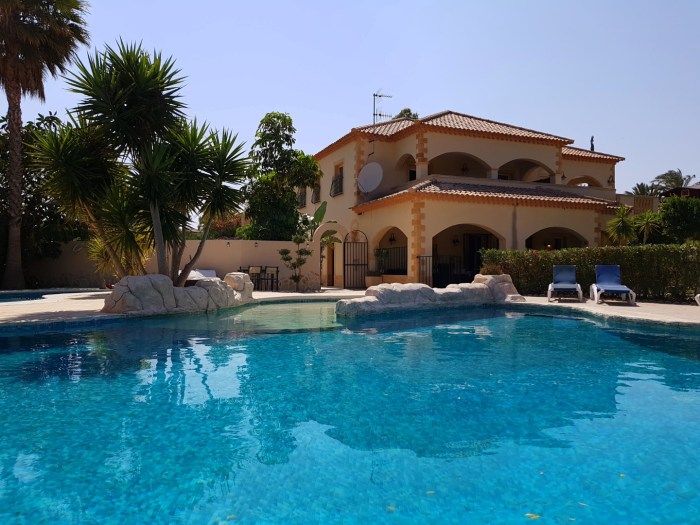
The Spanish property market has shown significant growth in recent years, attracting both local and international buyers. The market is known for its diverse offerings, ranging from beachfront villas to historic city apartments.
Current Trends
- Increasing demand for vacation homes: With Spain being a top tourist destination, there is a growing interest in vacation properties.
- Rise in urban properties: Cities like Madrid and Barcelona are witnessing a surge in demand for urban living spaces.
- Foreign investment: International investors are eyeing Spanish real estate due to favorable economic conditions.
Popular Regions
- Costa del Sol: Known for its sunny weather and beautiful beaches, this region is a hotspot for luxury properties.
- Barcelona: A vibrant city with a rich cultural heritage, attracting buyers looking for urban living.
- Valencia: Offering a mix of modern amenities and historic charm, Valencia is gaining popularity among property buyers.
Factors Influencing Prices
- Economic stability: The overall economic conditions in Spain play a crucial role in determining property prices.
- Location: Properties in prime locations, such as beachfront or city centers, command higher prices.
- Market demand: Areas witnessing high demand tend to have higher property prices due to competition among buyers.
Types of Properties Available
When looking for properties for sale in Spain, buyers have a variety of options to choose from. Whether you prefer a modern apartment in the heart of the city or a charming villa in the countryside, there is something for everyone.
Apartments
Apartments are a popular choice for those looking to live in urban areas in Spain. They are usually more affordable than other types of properties and offer amenities such as shared pools, gyms, and parking spaces.
Villas
Villas are ideal for buyers who seek privacy and space. These properties often come with large gardens, swimming pools, and stunning views of the surrounding landscape. Villas are typically found in more rural settings or on the outskirts of towns.
Townhouses
Townhouses are a great compromise between apartments and villas. They are often located in residential complexes and offer a sense of community while still providing more space and privacy than apartments.
Prices in Urban vs. Rural Areas
In general, properties in urban areas such as Madrid, Barcelona, and Valencia tend to be more expensive than those in rural areas. The demand for housing in major cities drives up prices, while properties in the countryside are usually more affordable.
Features and Amenities
Spanish properties for sale often come with attractive features and amenities to enhance the quality of living. Common amenities include terraces or balconies, air conditioning, central heating, and modern kitchens. Many properties also offer access to communal areas like gardens, swimming pools, and sports facilities.
Legal Considerations
When buying property in Spain as a foreigner, there are important legal considerations to keep in mind to ensure a smooth and hassle-free process.
Legal Process of Buying Property in Spain
Foreign buyers looking to purchase property in Spain must obtain a foreigner’s identification number (NIE) to complete the transaction. This number is essential for tax purposes and is required by law. Additionally, it is advisable to hire a reputable lawyer who specializes in real estate transactions to guide you through the legal process and ensure all necessary documents are in order.
Specific Restrictions or Requirements
- Non-EU citizens may need to obtain special permission from the Spanish authorities to buy property in certain areas designated for national security or military purposes.
- Some regions in Spain have restrictions on short-term rentals, so it is important to research local regulations before purchasing a property with the intention of renting it out.
- Foreign buyers should also be aware of the “Golden Visa” program, which offers residency permits to individuals who invest a certain amount in Spanish real estate.
Taxes and Fees
When purchasing property in Spain, buyers should budget for additional costs such as property transfer tax, notary fees, and registry fees. It is important to factor in these expenses when calculating the total cost of buying a property in Spain.
Additionally, non-resident property owners are subject to annual property taxes based on the value of the property.
Tips for Buying Property in Spain
When it comes to buying property in Spain, there are several important factors to consider to ensure a smooth and successful transaction. From finding the right real estate agent to conducting thorough property inspections, here are some valuable tips to guide you through the process.
Step-by-Step Guide on How to Buy Property in Spain
- Start by determining your budget and researching the Spanish property market to understand the current trends and prices.
- Find a reputable real estate agent in Spain who can help you navigate the local market and assist you in finding the right property.
- Once you’ve found a property you’re interested in, make an offer and negotiate the price with the seller.
- Hire a lawyer who specializes in Spanish real estate law to review the legal documentation and ensure a smooth transaction.
- Complete all necessary paperwork, including signing the contract and transferring the necessary funds to secure the property.
- Finally, complete the transaction by signing the deed of sale and officially taking ownership of the property.
Finding a Reputable Real Estate Agent in Spain
Working with a reputable real estate agent in Spain is crucial to finding the right property and ensuring a successful transaction. Here are some tips to help you find a reliable agent:
- Ask for recommendations from friends, family, or colleagues who have experience buying property in Spain.
- Research online reviews and ratings of real estate agents in the area where you’re looking to buy.
- Interview multiple agents to assess their knowledge, experience, and communication skills before making a decision.
- A reputable agent should be licensed, have a good reputation, and be transparent about their fees and services.
Importance of Conducting Property Inspections Before Making a Purchase
Before finalizing the purchase of a property in Spain, it’s essential to conduct thorough property inspections to identify any potential issues and ensure you’re making a sound investment. Here are some reasons why property inspections are crucial:
- Inspections can reveal hidden defects or structural issues that may not be visible during a casual viewing.
- Knowing the condition of the property can help you negotiate the price or request repairs before finalizing the purchase.
- Property inspections provide peace of mind and confidence in your decision to buy, knowing that you’re making an informed choice.
Investment Opportunities
Investing in Spanish property can offer lucrative opportunities for both rental income and capital appreciation. With a steady flow of tourists and a strong demand for rental properties, Spain continues to be a popular choice for real estate investors.
Rental Income Potential
- Spain’s vibrant tourism industry ensures a consistent demand for rental properties, especially in popular coastal areas and major cities.
- Renting out your property to tourists or long-term tenants can provide a steady stream of income throughout the year.
- Short-term rentals through platforms like Airbnb can yield higher returns, particularly during peak tourist seasons.
Capital Appreciation Benefits
- Property prices in Spain have shown a steady increase over the years, making it an attractive option for long-term capital growth.
- Investing in up-and-coming areas with development potential can lead to significant appreciation in property value over time.
- Renovating or refurbishing properties can also enhance their value, allowing for a higher resale price in the future.
Up-and-Coming Investment Areas
- Cities like Valencia, Malaga, and Bilbao are gaining popularity among investors due to their cultural attractions, infrastructure improvements, and growing rental demand.
- The Balearic and Canary Islands, known for their scenic beauty and tourist influx, offer excellent investment opportunities in holiday rentals and second homes.
- Emerging areas in the Costa del Sol, Costa Blanca, and Costa Brava regions are also worth considering for their potential for growth and high rental yields.
Closing Notes
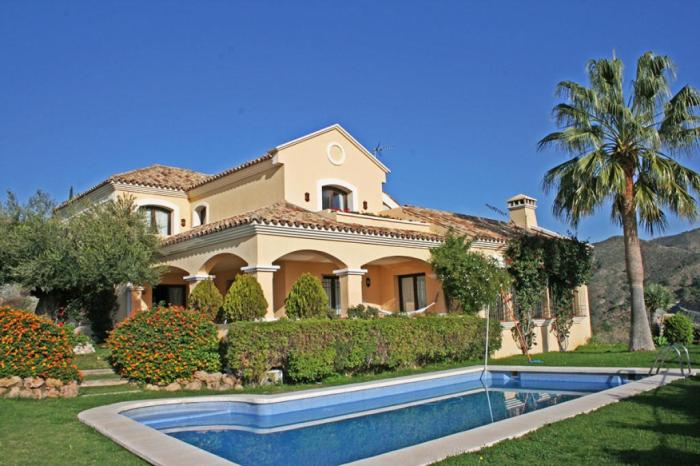
As we conclude our exploration of Spanish property for sale, we invite you to seize the opportunity to own a piece of this captivating country. Whether you’re seeking a holiday home, a lucrative investment, or a permanent residence, the allure of Spanish real estate is undeniable.
Start your journey towards owning a slice of paradise in Spain today.
Key Questions Answered
What are the current trends in the Spanish property market?
Current trends in the Spanish property market indicate a steady increase in demand, particularly in coastal regions and major cities.
What legal considerations should foreign buyers be aware of when purchasing property in Spain?
Foreign buyers should be aware of the legal process involved, including obtaining a Spanish tax identification number (NIE) and adhering to residency requirements.
How can I find a reputable real estate agent in Spain?
To find a reputable real estate agent in Spain, consider seeking recommendations from expats, conducting thorough research online, and checking for professional certifications.