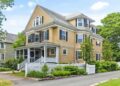
As buildings for sale near me take the spotlight, this opening passage invites readers into a world of diverse property options, offering insightful comparisons and practical tips for potential buyers.
The following paragraph delves deeper into the nuances of different building types and factors to consider when purchasing a property.
Types of Buildings for Sale
When looking for buildings for sale in your area, you will come across a variety of options to choose from. Here are some of the different types of buildings available for sale:
Residential Buildings
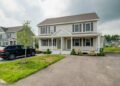
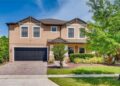
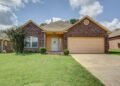
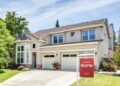
Residential buildings are designed for people to live in and can include single-family homes, condominiums, townhouses, and apartment buildings. These buildings offer a place to call home and can vary in size and style to meet different needs.
Commercial Buildings
Commercial buildings are used for business purposes and can include office buildings, retail shops, restaurants, and hotels. These buildings are designed to accommodate commercial activities, with features like storefronts, office spaces, and meeting rooms.
Industrial Buildings
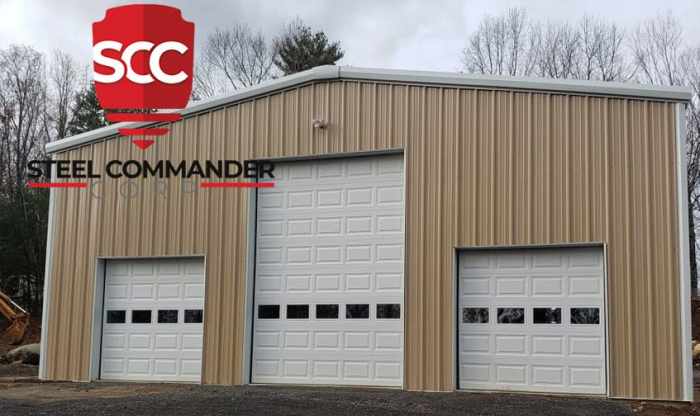
Industrial buildings are used for manufacturing, production, or storage purposes and can include warehouses, factories, and distribution centers. These buildings are typically large and have features like loading docks, high ceilings, and heavy-duty flooring.
Specialized Buildings
In addition to the common residential, commercial, and industrial buildings, you may also come across specialized buildings for sale. These can include unique properties like churches, schools, hospitals, or even historical buildings with specific architectural significance.Overall, the type of building you choose to invest in will depend on your personal preferences, budget, and intended use.
Each type of building offers its own set of features and benefits, so it’s important to consider your needs carefully before making a decision.
Factors to Consider When Buying a Building
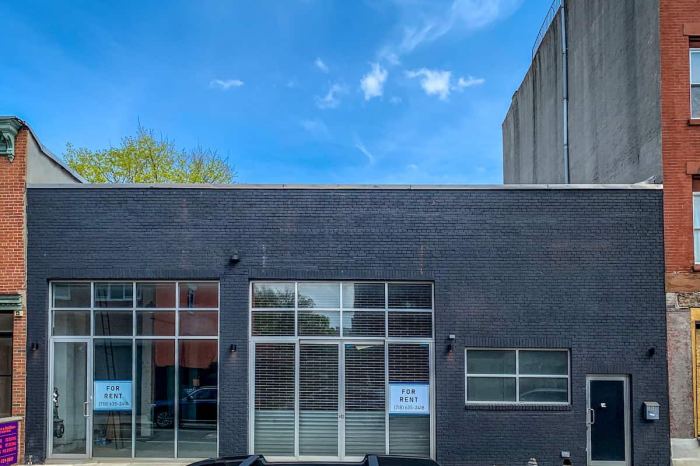
When looking to purchase a building, there are several key factors that should be taken into consideration to ensure a successful investment. Factors such as location, size, condition, and price play a crucial role in determining the value and potential of the property.
Location
The location of a building is one of the most important factors to consider when making a purchase. A prime location can significantly impact the value of the property and its potential for future growth. Factors to consider include proximity to amenities, accessibility, and the overall neighborhood development.
Size
The size of the building is another crucial factor to consider. It is essential to assess whether the size meets your requirements and if there is potential for expansion or renovation in the future. The size of the building also affects its value and potential uses.
Condition
The condition of the building is a critical factor that can impact the cost of maintenance and renovations. It is essential to conduct a thorough inspection to identify any structural issues, maintenance needs, or potential hazards. Understanding the condition of the building is crucial in determining the overall investment value.
Price
The price of the building is a significant consideration when making a purchase. It is essential to conduct a comparative market analysis to ensure that the asking price is fair and aligns with the market value. Negotiating the price based on the condition, location, and size of the building is crucial to securing a good investment.
Zoning Laws and Building Regulations
Zoning laws and building regulations play a crucial role in the buying process. It is essential to understand the zoning restrictions and building codes in the area to ensure that the property can be used for its intended purpose. Failure to comply with zoning laws can lead to costly legal issues and restrictions on property use.
Searching for Buildings for Sale
When looking for buildings for sale in your local area, there are several effective methods you can use to find the perfect property. Whether you prefer online platforms or working with real estate agents, each option has its advantages and disadvantages.
Online Platforms
Using online platforms such as real estate websites, property listing sites, and social media can be a convenient way to search for buildings for sale. These platforms offer a wide range of properties to choose from, with detailed descriptions and photos to help you make an informed decision.
- Online platforms provide easy access to a large number of listings, allowing you to compare different properties quickly.
- You can filter your search based on specific criteria such as location, price range, and property type, making it easier to find buildings that meet your requirements.
- Virtual tours and 3D images on some platforms give you a better idea of the property before scheduling an in-person visit.
Real Estate Agents
Working with a real estate agent can also be a valuable resource when searching for buildings for sale. Agents have access to exclusive listings and can provide expert guidance throughout the buying process.
- Real estate agents have local market knowledge and can help you find properties that may not be listed online.
- They can negotiate on your behalf, ensuring you get the best deal possible on the property you choose.
- Agents can assist with paperwork, inspections, and other legal aspects of buying a building, streamlining the process for you.
Advantages and Disadvantages of Offline vs. Online Search
When searching for buildings for sale, both offline and online methods have their pros and cons. Offline methods like driving around neighborhoods or attending open houses provide a more personal touch but may limit your options. On the other hand, online platforms offer a wider selection of properties but lack the personal interaction that working with a real estate agent provides.Overall, combining both offline and online search methods can give you a comprehensive view of the available buildings for sale in your local area, helping you make an informed decision based on your preferences and needs.
Negotiating the Purchase of a Building
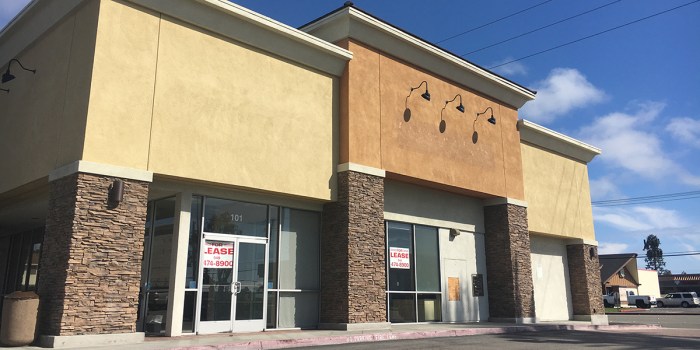
When it comes to negotiating the purchase of a building, there are several key steps and strategies that can help you secure the best deal possible. From making a competitive offer to conducting thorough due diligence, every stage of the negotiation process is crucial in ensuring a successful purchase.
Steps Involved in Negotiating the Purchase of a Building
- Research the Market: Before making an offer, research the market to understand the current trends, pricing, and demand for similar buildings in the area.
- Make a Competitive Offer: Based on your research, make a competitive offer that is both attractive to the seller and within your budget.
- Negotiate Terms: Once the initial offer is made, be prepared to negotiate on price, contingencies, and other terms of the sale.
- Conduct Due Diligence: Before finalizing the purchase, conduct thorough due diligence to assess the condition of the building, potential risks, and any necessary repairs or renovations.
- Finalize the Purchase Agreement: Once both parties have agreed on the terms, finalize the purchase agreement and prepare for closing.
Strategies for Making a Competitive Offer and Negotiating the Price
- Set a Realistic Budget: Determine your budget and stick to it when making an offer to avoid overextending yourself financially.
- Highlight Your Strengths: Showcase your strengths as a buyer, such as a strong financial position or flexibility on the closing timeline, to make your offer more attractive.
- Be Prepared to Walk Away: Sometimes, walking away from a deal can be a powerful negotiation tactic to show the seller that you are serious about getting a fair price.
- Consider Contingencies: Include contingencies in your offer to protect yourself, such as a financing contingency or inspection contingency.
Tips on Conducting Due Diligence and Inspections
- Hire Professionals: Work with experienced professionals, such as inspectors, appraisers, and real estate attorneys, to ensure a thorough due diligence process.
- Review Documents Carefully: Review all relevant documents, such as inspection reports, property records, and financial statements, to uncover any potential issues or red flags.
- Visit the Property: Schedule multiple visits to the property to inspect it firsthand and identify any maintenance or repair needs.
- Ask Questions: Don’t hesitate to ask the seller questions about the building’s history, maintenance, and any known issues to gather as much information as possible.
Last Word
Concluding our discussion on buildings for sale near me, this final section encapsulates key points and highlights the importance of thorough research and strategic decision-making in the real estate market.
Essential FAQs
What are the key factors to consider when buying a building?
Factors to consider include location, size, condition, and price. Additionally, zoning laws and building regulations play a crucial role in the buying process.
How can I effectively search for buildings for sale in my local area?
You can use online platforms, seek assistance from real estate agents, and explore other resources to find available properties. Consider the advantages and disadvantages of searching offline versus online.
What steps are involved in negotiating the purchase of a building?
Negotiating the purchase involves making a competitive offer, conducting due diligence, and inspections before finalizing the deal.