Embark on a journey to explore houses for sale near you with valuable insights and tips. Discover the latest trends, types of houses available, factors to consider before buying, financing options, working with real estate agents, steps in buying a house, and negotiation strategies.
Let’s dive in!
Exploring Local Real Estate Market

When exploring the local real estate market, it is crucial to research current trends to make informed decisions about buying a house. Identifying popular neighborhoods with houses for sale can give you an idea of where you might want to invest.
Additionally, understanding the average prices of houses in different areas will help you set a budget and narrow down your options. Let’s compare the features of houses available in various neighborhoods to find the best fit for your needs.
Popular Neighborhoods with Houses for Sale
- Suburban Paradise: This neighborhood offers spacious homes with large yards, perfect for families.
- Downtown Chic: If you prefer a more urban lifestyle, this area has trendy lofts and condos with convenient access to restaurants and shops.
- Waterfront Retreat: For those seeking a peaceful setting, waterfront properties provide stunning views and a serene atmosphere.
Average Prices of Houses in Different Areas
| Neighborhood | Average Price |
|---|---|
| Suburban Paradise | $500,000 |
| Downtown Chic | $700,000 |
| Waterfront Retreat | $1,200,000 |
Features of Houses Available in Various Neighborhoods
- Suburban Paradise: Spacious homes, family-friendly community, good school district.
- Downtown Chic: Modern design, walkable neighborhood, close to amenities.
- Waterfront Retreat: Stunning views, private beach access, peaceful environment.
Types of Houses Available
When looking for houses for sale near you, it’s important to consider the different types of houses available. Each type has its own unique features, pros, and cons that you should be aware of before making a decision.
Single-Family Homes
Single-family homes are standalone properties that offer privacy and space for families. They typically have yards and driveways, providing a sense of ownership and independence. However, they require more maintenance and can be more expensive than other types of houses.
Townhouses
Townhouses are attached properties that share walls with neighboring units. They offer a balance between the privacy of a single-family home and the convenience of a condo. Townhouses often come with shared amenities like pools or gyms, but you may have to pay homeowner association fees.
Condos
Condos are individual units within a larger building or complex. They are typically more affordable than single-family homes and require less maintenance. Condos often come with amenities like security, maintenance services, and common areas. However, you may have less privacy and limited control over the building’s maintenance.
Multi-Family Homes
Multi-family homes have multiple units within the same property, making them a good option for investors or those looking to generate rental income. While they can provide a steady stream of income, managing multiple tenants and units can be challenging.
Mobile Homes
Mobile homes are prefabricated houses that can be moved from one location to another. They are typically more affordable than traditional homes and offer flexibility in terms of location. However, they may not appreciate in value as much as other types of houses.
Factors to Consider Before Buying
When looking to purchase a house, there are several important factors that one should consider to ensure a wise investment decision. From the location to the amenities available in the vicinity, each aspect plays a crucial role in determining the value and suitability of a property.
Location
The location of a house is one of the most critical factors to consider before making a purchase. A good location can not only enhance your quality of life but also increase the resale value of the property in the future.
When evaluating the location, consider factors such as proximity to schools, workplaces, shopping centers, and public transportation. Additionally, assess the safety and security of the neighborhood to ensure a comfortable living environment.
Amenities and Facilities
The amenities and facilities available in the vicinity of the house are also important considerations. These could include parks, recreational areas, hospitals, supermarkets, and other essential services. Having easy access to such amenities can significantly improve your daily life and add convenience to your routine.
Moreover, properties located in areas with well-developed infrastructure and facilities tend to hold their value better over time.
Financing Options for Buying a House
When it comes to purchasing a house, there are various financing options available to help you achieve your dream of homeownership. Understanding these options and the process of getting pre-approved for a mortgage can make a significant difference in your home buying journey.
Getting Pre-Approved for a Mortgage
Before starting your house hunt, it’s advisable to get pre-approved for a mortgage. This involves submitting your financial information to a lender, who will then assess your creditworthiness and determine how much they are willing to lend you. Getting pre-approved can give you a clear picture of your budget and show sellers that you are a serious buyer.
Advantages of Paying in Cash vs. Taking a Mortgage
While paying for a house in cash may seem like the ideal scenario, not everyone has the financial means to do so. Taking out a mortgage comes with its own set of advantages, such as leveraging your money and potentially benefiting from tax deductions.
On the other hand, paying in cash can help you avoid interest payments and debt, providing a sense of security and ownership.
Working with Real Estate Agents
When it comes to buying a house, working with a real estate agent can provide numerous benefits. These professionals have in-depth knowledge of the local real estate market, can help you navigate the complex process of buying a home, and often have access to listings before they hit the market.
Benefits of Working with a Real Estate Agent
- Expertise: Real estate agents have a wealth of knowledge about the local market trends, neighborhoods, and property values.
- Access to Listings: Agents have access to a wide range of listings, including those that may not be available to the public yet.
- Negotiation Skills: Agents can help you negotiate the best price and terms for your new home.
- Guidance through Process: From making an offer to closing the deal, a real estate agent can guide you through each step of the buying process.
Finding a Reliable Real Estate Agent
- Ask for Recommendations: Seek recommendations from friends, family, or colleagues who have recently bought or sold a home.
- Research Online: Look for agents with positive reviews and a strong track record in the local market.
- Interview Multiple Agents: Meet with several agents to find someone who understands your needs and preferences.
- Check Credentials: Ensure that the agent is licensed and affiliated with a reputable brokerage.
Role of a Real Estate Agent in the House Buying Process
- Property Search: Agents help you find properties that meet your criteria and schedule showings.
- Negotiation: Your agent will negotiate on your behalf to get the best deal possible.
- Contract Assistance: Agents assist with preparing and submitting offers, as well as reviewing contracts and paperwork.
- Closing Process: Your agent will guide you through the closing process, ensuring a smooth transaction.
Steps Involved in Buying a House
When it comes to buying a house, there are several important steps that need to be followed to ensure a smooth and successful process.
Home Inspections
Before finalizing a purchase, it is crucial to have a professional home inspection. This will help you uncover any potential issues with the property that may not be visible to the naked eye. By identifying these issues early on, you can avoid costly repairs down the line.
Paperwork and Legal Aspects
Once you have found the perfect house and agreed on a price, the next step involves handling the paperwork and legal aspects of the transaction. This includes signing contracts, ensuring all necessary documents are in order, and working with a real estate attorney to protect your interests.
Tips for Negotiating the Purchase
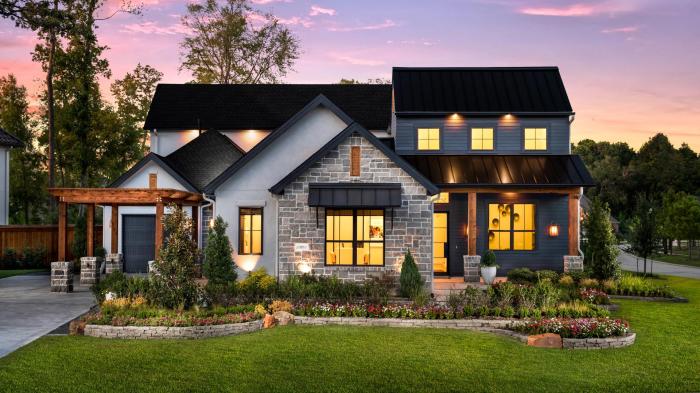
When it comes to negotiating the purchase of a house, there are several strategies you can use to ensure you get the best deal possible. It’s important to be prepared, do your research, and approach the negotiation process with a clear plan in mind.
Strategies for Negotiating the Price
- Research the market value of similar properties in the area to have a realistic price range in mind.
- Start with a reasonable offer that is based on the condition of the house and current market trends.
- Be willing to compromise and negotiate with the seller to reach a mutually beneficial agreement.
- Consider asking for repairs or credits to offset any potential issues discovered during the inspection.
Handling Counteroffers during Negotiations
- Respond promptly to counteroffers to keep the negotiation process moving forward.
- Consider the seller’s reasons for the counteroffer and be prepared to make adjustments to your offer if needed.
- Maintain open communication with the seller or their agent to address any concerns or questions that may arise.
- Be prepared to make a final decision if the counteroffer is not within your budget or does not meet your needs.
Knowing When to Walk Away from a Deal
- Trust your instincts and assess whether the deal aligns with your long-term goals and financial situation.
- If the seller is unwilling to negotiate or meet your terms, it may be a sign to walk away and explore other options.
- Consider the potential costs and risks associated with the property if the negotiation process becomes contentious or unproductive.
- Remember that there are always other houses on the market, and it’s essential to prioritize your needs and budget.
Final Conclusion
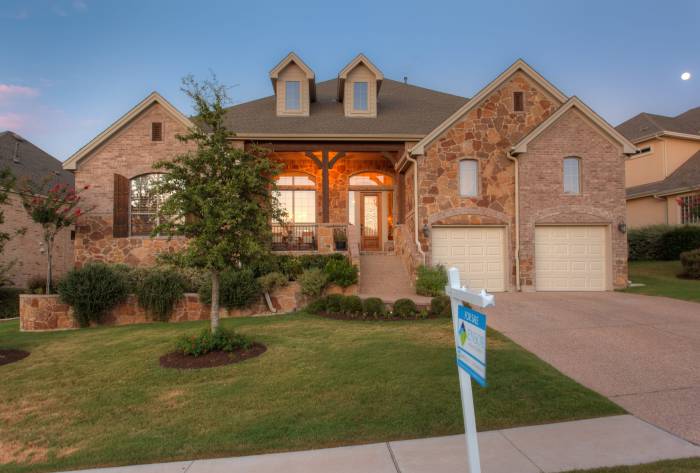
In conclusion, finding the perfect house for sale near you involves a blend of knowledge, strategy, and negotiation skills. Armed with the information provided, you’re ready to navigate the real estate market with confidence. Happy house hunting!
Essential FAQs
What factors should I consider before buying a house?
Consider factors like location, amenities, and future resale value when purchasing a house.
What are the advantages of paying in cash versus taking a mortgage?
Paying in cash can lead to lower overall costs and faster transactions, while taking a mortgage allows you to preserve your savings and build credit.
How do I find a reliable real estate agent?
Look for recommendations from friends or family, check online reviews, and interview multiple agents to find the right fit for your needs.