Multi family homes for sale set the stage for this enthralling narrative, offering readers a glimpse into a story that is rich in detail and brimming with originality from the outset. In this guide, we will delve into the various types of multi-family homes, the benefits of investing in them, factors to consider when buying, financing options available, and much more.
Get ready to embark on a journey through the world of multi family homes for sale.
Types of Multi-Family Homes
When looking for multi-family homes for sale, you will come across various types that cater to different preferences and needs. Let’s explore the differences between duplex, triplex, and fourplex homes along with examples of unique features in each type.
Duplex Homes
Duplex homes consist of two separate living units within the same building. Each unit typically has its own entrance, kitchen, bathroom, and living space, providing a sense of privacy for each household. Some unique features of duplex homes include shared walls between units, dual rental income potential, and the flexibility to live in one unit while renting out the other.
Triplex Homes
Triplex homes contain three individual units under one roof, offering more space and versatility compared to duplex homes. Each unit in a triplex may vary in size, layout, and amenities, allowing for a diverse range of residents. Unique features of triplex homes include potential for increased rental income, shared common areas, and a balance between community living and personal space.
Fourplex Homes
Fourplex homes encompass four separate units within a single building structure, making them ideal for larger families or investors looking to maximize rental income. Each unit in a fourplex typically has its own utilities, ensuring independence for each household. Unique features of fourplex homes include higher rental yield potential, multiple rental income streams, and the ability to accommodate a larger number of residents within the same property.
Benefits of Investing in Multi-Family Homes
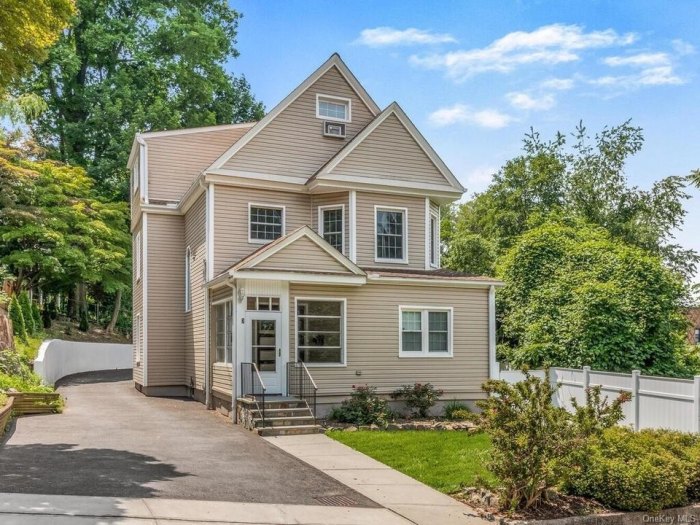
Investing in multi-family homes offers several advantages compared to single-family units. One of the main benefits is the potential for higher rental income due to multiple units generating revenue simultaneously. This can lead to a more stable cash flow and increased profitability.
Potential Rental Income and Return on Investment
When you invest in a multi-family property, you have the opportunity to earn rental income from multiple tenants living in separate units within the same building. This can result in a higher overall return on investment compared to single-family homes, where you are reliant on a single tenant for income.
Additionally, vacancy rates tend to be lower in multi-family properties since losing one tenant does not mean losing all of your rental income.
Diversified Real Estate Portfolio
Owning multi-family properties can help you diversify your real estate portfolio. By investing in different types of properties, you can spread out your risk and minimize the impact of market fluctuations. Multi-family homes also provide the opportunity to scale your real estate investment portfolio more quickly, as the income generated from multiple units can be used to reinvest in additional properties.
Factors to Consider When Buying Multi-Family Homes
When purchasing multi-family homes, there are several key factors to consider to ensure a successful investment. Factors such as location, property condition, and rental market trends play a crucial role in determining the profitability and sustainability of your investment.
Location
Location is one of the most important factors to consider when buying multi-family homes. A prime location can attract quality tenants, increase rental demand, and enhance property appreciation. It is essential to choose a location with good access to amenities, schools, public transportation, and low crime rates.
Property Condition
The condition of the property is another critical factor to evaluate before making a purchase. Conducting a thorough inspection with the help of a professional inspector can help identify any potential issues such as structural problems, plumbing or electrical issues, or maintenance needs.
Ensure that the property is in good condition to avoid unexpected expenses in the future.
Rental Market Trends
Understanding the rental market trends in the area where the multi-family home is located is essential for evaluating its income potential. Research the average rental rates, vacancy rates, and demand for rental properties in the area. This information can help you estimate the potential rental income and make an informed decision about the investment.
Evaluating Rental Income and Property Appreciation
When evaluating a multi-family property, consider the potential rental income it can generate. Calculate the expected cash flow based on rental rates, expenses, and vacancy rates. Additionally, assess the property’s potential for appreciation by researching the historical appreciation rates in the area and future development plans.
A property that offers both rental income and appreciation potential can be a lucrative investment opportunity.
Financing Options for Multi-Family Homes
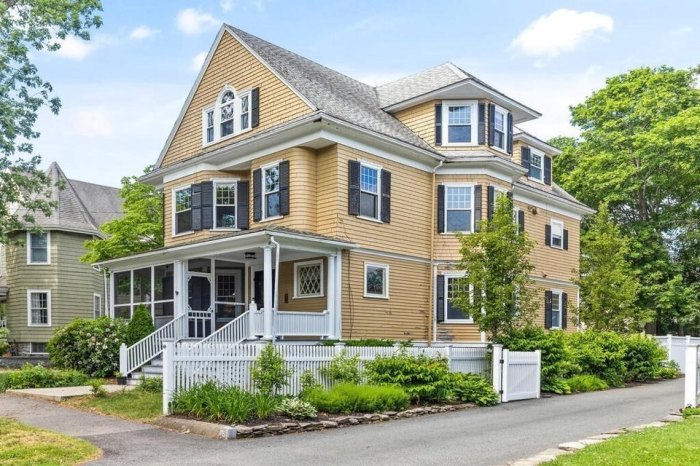
When it comes to purchasing multi-family homes, exploring different financing options is crucial. Whether you’re a first-time investor or looking to expand your real estate portfolio, understanding the various ways to finance multi-family properties can help you make informed decisions.
Traditional Mortgages vs. Specialized Loans
When considering financing for multi-family homes, you can opt for traditional mortgages or specialized loans designed for investment properties. Traditional mortgages typically require a larger down payment and have stricter qualification criteria compared to specialized loans. On the other hand, specialized loans, such as FHA loans or commercial loans, may offer more flexibility in terms of down payment and eligibility requirements.
Requirements and Considerations
Obtaining financing for multi-family properties involves meeting specific requirements and considerations. Lenders will typically look at factors such as your credit score, debt-to-income ratio, rental income potential, and property value when evaluating your loan application. It’s essential to have a solid financial plan in place, including a detailed budget, projected rental income, and contingency plans for unexpected expenses.
Conclusive Thoughts
As we conclude this exploration of multi family homes for sale, it becomes evident that these properties offer a unique blend of investment opportunities and potential for growth. Whether you are looking to diversify your real estate portfolio or maximize rental income, multi family homes present a compelling option worth considering.
With the right knowledge and insights gained from this guide, you are well-equipped to navigate the dynamic landscape of multi family homes for sale.
FAQ Corner
What are the main types of multi-family homes?
Multi-family homes include duplex, triplex, and fourplex properties, each offering different configurations and rental opportunities.
How do multi-family homes differ from single-family units in terms of investment benefits?
Multi-family homes provide the advantage of multiple rental units under one property, increasing potential rental income and offering diversification in a real estate portfolio.
What factors should be considered when buying multi-family homes?
Key factors include location, property condition, rental market trends, and conducting a thorough inspection to assess potential rental income and property appreciation.
What financing options are available for purchasing multi-family homes?
Various financing options exist, including traditional mortgages and specialized loans for investment properties. Requirements and considerations for financing multi-family properties vary.