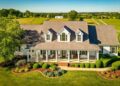
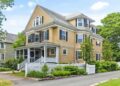
Embark on a journey through time and architecture as we delve into the world of old homes for sale. From the charm of historical features to the challenges of renovation, this topic offers a unique blend of nostalgia and opportunity.
Whether you’re a history enthusiast or a renovation aficionado, there’s something intriguing about the allure of old homes waiting to be discovered.
Researching Old Homes for Sale
When looking to purchase an old home, there are many benefits that come with it. These homes often have unique architecture, history, and character that you may not find in newer properties. Additionally, old homes are typically located in established neighborhoods with mature trees and landscaping, adding to their charm.
Where to Find Listings for Old Homes
If you are interested in buying an old home, there are several places where you can find listings. Websites like Zillow, Realtor.com, and Trulia often have listings for old homes for sale. You can also check with local real estate agents who specialize in historic properties, as they may have access to exclusive listings.
Importance of Inspecting Old Homes Before Purchase
Before purchasing an old home, it is crucial to have a thorough inspection done. Old homes may have hidden issues such as lead paint, asbestos, or outdated electrical and plumbing systems. Hiring a qualified home inspector can help uncover any potential problems and give you a better understanding of the condition of the property.
Renovating Old Homes
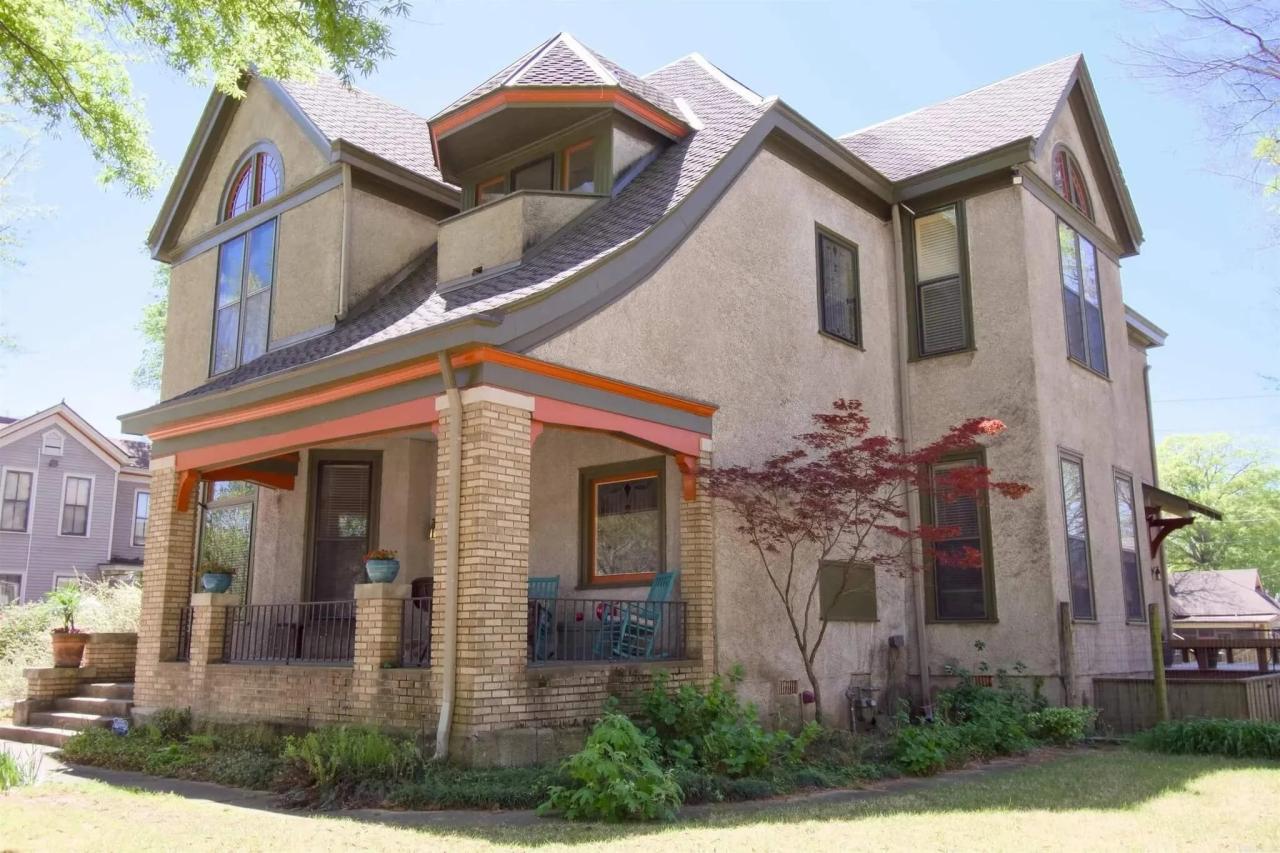
When it comes to renovating old homes, there are several common projects that are often needed to bring these historic properties back to their former glory. From updating electrical systems to repairing structural damage, renovating an old home requires careful planning and attention to detail.
Common Renovation Projects
- Updating Electrical Wiring: Many old homes have outdated electrical systems that need to be replaced to meet modern safety standards.
- Repairing Structural Damage: Over time, old homes can develop structural issues such as foundation problems or roof leaks that need to be addressed.
- Modernizing Plumbing: Old plumbing systems may need to be replaced or updated to prevent leaks and improve water efficiency.
- Restoring Original Features: Preserving historical features like original hardwood floors, trim, and moldings can add character and value to an old home.
- Upgrading HVAC Systems: Installing a new heating, ventilation, and air conditioning system can improve comfort and energy efficiency in an old home.
Preserving Historical Features
When renovating an old home, it’s important to preserve as many historical features as possible to maintain the property’s unique charm and character. This can include restoring original woodwork, maintaining vintage fixtures, and preserving architectural details that reflect the home’s heritage.
Cost Comparison
Renovating an old home can be a labor-intensive and costly process, but it can also be a rewarding investment. While the initial purchase price of an old home may be lower than that of a new construction, the cost of renovations can add up quickly.
It’s important to weigh the pros and cons of renovating an old home versus buying a new one to determine the best option for your budget and lifestyle.
Financing Options for Old Homes
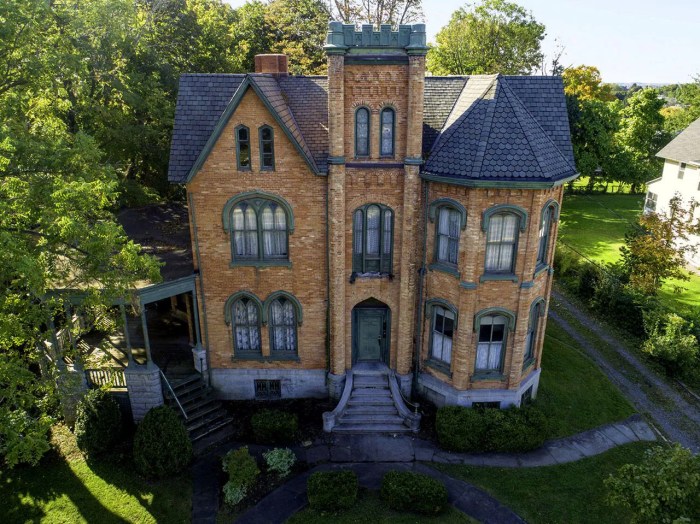
When it comes to purchasing old homes, there are various financing options available to potential buyers. However, securing financing for these properties can present unique challenges, particularly when it comes to getting a mortgage. Here, we will discuss the different financing options for old homes, the obstacles you may encounter when trying to secure a mortgage, and provide tips for obtaining financing for renovation projects in old homes.
Traditional Mortgage Loans
Traditional mortgage loans are one of the most common ways to finance the purchase of an old home. However, lenders may be hesitant to provide a mortgage for older properties due to their potential maintenance issues and lower appraised values.
Be prepared to provide a comprehensive inspection report and possibly a higher down payment to secure a traditional mortgage for an old home.
FHA 203(k) Rehab Loan
An FHA 203(k) rehab loan is a great option for financing both the purchase of an old home and the renovation costs. This type of loan allows you to borrow money based on the projected value of the home after renovations are complete.
Keep in mind that there are strict guidelines and requirements for FHA 203(k) loans, so be sure to familiarize yourself with the process before applying.
Home Equity Line of Credit (HELOC)
If you already own a home and have built up equity, a Home Equity Line of Credit (HELOC) can be a good financing option for renovating an old home. With a HELOC, you can borrow against the equity in your current home to fund the renovation of your new old home.
Just be aware of the potential risks involved with using your home as collateral.
Historic Preservation and Old Homes
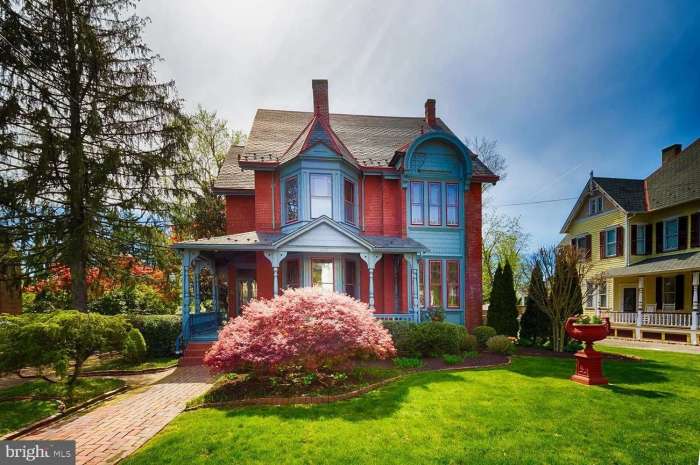
Preserving old homes holds significant historical value as these properties offer a glimpse into the past, showcasing architectural styles, craftsmanship, and design elements that may no longer be prevalent in modern construction. By maintaining these old homes, we can ensure that future generations have the opportunity to experience and appreciate our architectural heritage.
Obtaining Historical Designations for Old Homes
Obtaining historical designations for old homes involves a detailed process that typically begins with researching the history of the property and documenting its architectural significance. This information is then submitted to relevant local or state historic preservation offices for review.
If approved, the home may receive a historical designation that recognizes its importance and offers certain protections to ensure its preservation for years to come.
Tax Benefits Associated with Owning and Preserving Old Homes
Owning and preserving old homes can come with various tax benefits that incentivize homeowners to maintain these properties. One significant benefit is the potential eligibility for historic preservation tax credits, which can provide financial incentives for rehabilitation projects that maintain the historical integrity of the home.
Additionally, some areas offer property tax incentives for homeowners who own and preserve historically significant properties, further encouraging the preservation of these old homes.
Final Summary
In conclusion, old homes for sale present a doorway to the past and a canvas for future possibilities. From preserving historical value to embarking on renovation adventures, these homes offer a blend of character and potential that is truly unmatched.
Frequently Asked Questions
How can buying an old home be beneficial?
Old homes often come with unique architectural features and historical charm that can add character to your living space.
Where can I find listings for old homes for sale?
You can search online real estate websites, attend auctions, or work with a real estate agent specializing in historic properties.
What are the challenges of obtaining a mortgage for an old home?
Old homes may require special inspections and additional paperwork for mortgage approval due to their age and condition.
How can I finance renovation projects for an old home?
You can explore options such as renovation loans, home equity loans, or personal savings to fund renovation projects in old homes.
What tax benefits are associated with owning and preserving old homes?
Owning a historically designated home may qualify you for tax credits or deductions related to preservation efforts.